IMPACT-T is a pilot research project aiming to improve access to mental health professionals and treatment to the Tibetan refugee communities in India. This project is being piloted at four southern Tibetan settlements in India, namely, Bylakuppe, Kollegal, Hunsur, and Mundgod. IMPACT-T is carried out in collaboration with "Sangath, a mental health NGO based in Goa."
In Tibetan refugee settlements in India, as of now, there is no data to suggest the mental health burden. A cross-sectional prevalence survey in collaboration with Sangath is underway. The results from this survey can provide some background on the mental health status of the Tibetan refugees in India. Currently, there is no Tibetan psychiatrist in these settlements. The mental health patients have to travel to the neighboring cities for psychiatric consultation and treatment. The long travels cause them extreme distress making regular follow-up visits difficult. Moreover, patients rarely seek counseling treatment due to a lack of awareness and mental health professionals in the settlements.
Our Goals
- To improve access to psychiatrists.
- To improve access to counseling treatment.
- To improve access to regular follow-up sessions.
- To assess the feasibility and acceptability of the tele-psychiatry mode of treatment by the Tibetan people.
- Overall, to reduce the existing mental health treatment gap in the Tibetan communities.
About us

The Department of Health (DOHe), one of the seven departments of Central Tibetan Administration (CTA) is registered in the name of Tibetan Voluntary Health Association (TVHA) under the Indian Society Registration Act XXI 1860. Established in 1981, DOHe is working as a registered charitable organization catering to the basic health care needs of Tibetan people living in India and Nepal through its network of health facilities.
Since the early 90s, the mental health desk of the Department of Health has actively played a crucial role in training its staff on counseling and providing emotional support to the Tibetan torture survivors in India through home visits. The desk continues training the healthcare workers on counseling skill-building and promoting awareness on emotional hygiene in the schools and settlements through events, social media, and public talks. Under the medical reimbursement program, the desk currently provides financial assistance to about 200 Tibetans with a minimal financial background who are on psychiatric medications. The desk successfully formed its mental health core committee in 2020. The advisory members are Dr. Tsetan Dorji Sadutshang, Dr. Tsewang Tamdin, Geshe Lhakdor, Dr. Carol Weingarten, Dr. Takako Suzuki, and Health Secretary. PRM supports all mental health activities.
IMPACT-T Team
Mental Health Desk, Department of Health
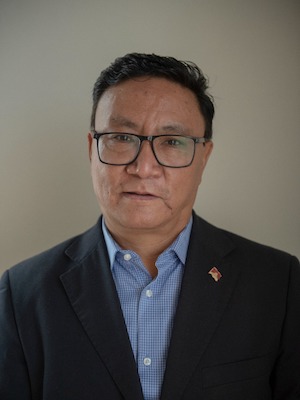
Palden Dhondup
Secretary, Dept. of Health, CTA
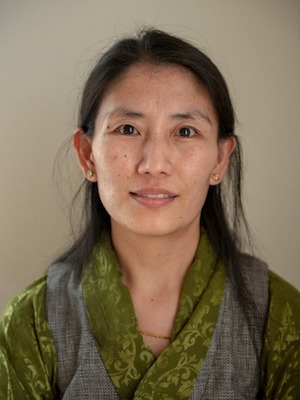
Tsering Youdon
Joint Secretary, Dept. of Health, CTA

Ngawang Tenzin
Deputy Secretary, Dept. of Health, CTA
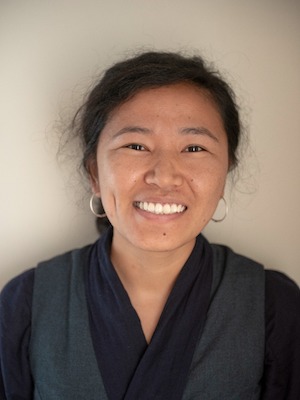
Tsering Yangdol
MH Program Coordinator, Dept. of Health, CTA

Sherab Tsomo
Telepsychiatry Project Coordinator, Dept. of Health, CTA
Sangath

Dr. Abhijit Nadkarni
Co-Director, Addictions Research Group, Sangath and Associate Professor, London School of Hygiene and Tropical Medicine, UK

Dr. Ravindra Agrawal
MRCPsych, Consultant Psychiatrist
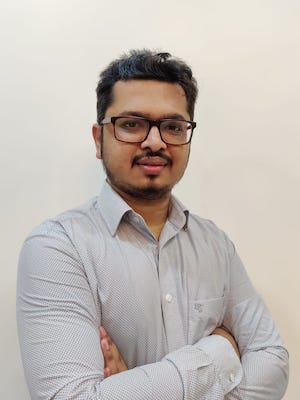
Ankur Garg
Research Co-ordinator, Addictions Research Group, Sangath
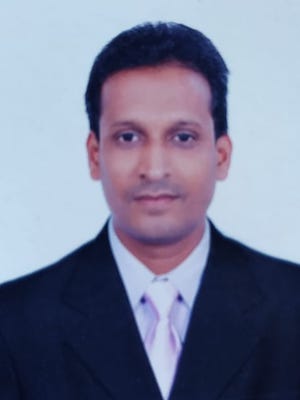
Subhash Pednekar
Counsellor, Addictions Research Group, Sangath
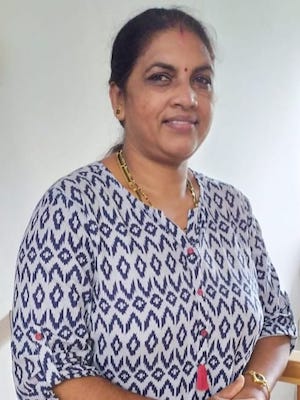
Lalan Karapurkar
Counsellor, Addictions Research Group, Sangath
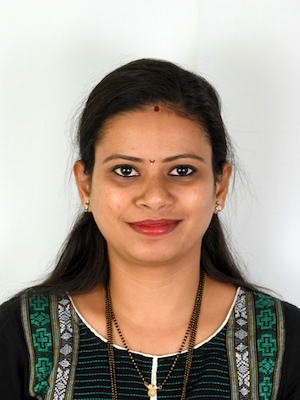
Pranali Kundaikar
Counsellor, Addictions Research Group, Sangath
Psychiatrists

Dr. Shilpa R Pandya
MBBS DNB Neuro-psychiatrist

Dr. Anubhuti Upadhyay
MBBS DNB Neuro-psychiatry
Community Nurses
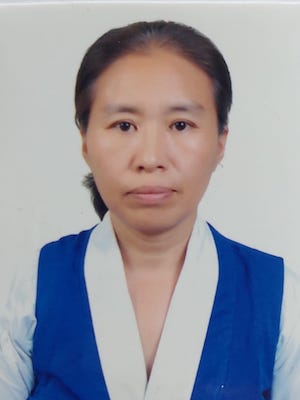
Dickey Dolker
Mundgod Nurse
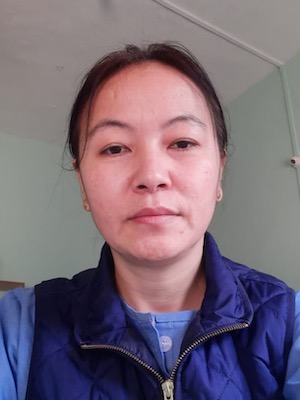
Sangay Choezom
Mundgod Nurse
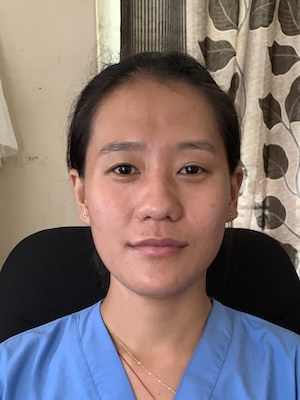
Tenzin Yangkyi
Bylakuppe Nurse

Tenzin Sangmo P
Bylakuppe Nurse
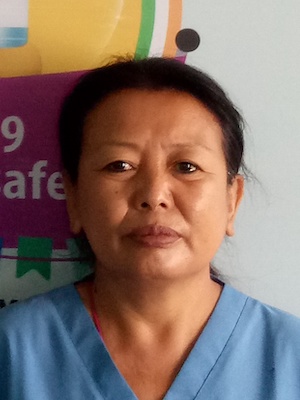
Tsering Dolker
Hunsur Nurse
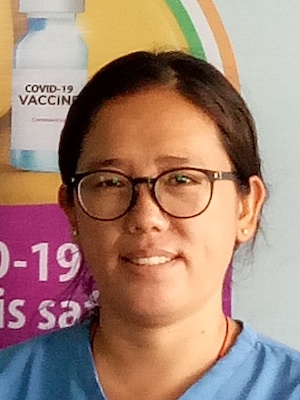
Tsering Wangmo
Hunsur Nurse
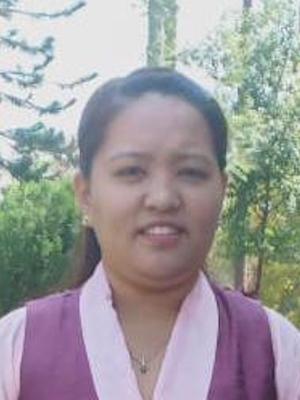
Nyima Yangkyi
Kollegal Nurse
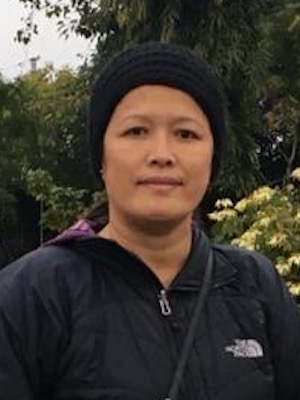
Namkhang Lhamo
Kollegal Nurse
F.A.Q
Frequently Asked Questions
- We do not have concrete data to show the prevalence of mental health issues in the Tibetan community. However, a cross-sectional prevalence survey in India is underway.
- Common mental health problems observed in the Tibetan community are mood disorders- Depression and Bipolar, Schizophrenia, Anxiety Disorders, Psychosomatic complaints, and Trauma. The problems range in severity from mild to moderate to severe.
- If you wish to seek help remotely through IMPACT-T, you can contact us at mhdesk@tibet.net or call us on 01892- 223408.